“You never miss the water until the well runs dry” and maybe, the same saying goes for the Internet. How many times has your ISP deprived you of your right to access the Internet? How many times have you been frustrated? But besides not being able to update what you had for dinner last night or updating your profile picture, there are actually far bigger things this world would have missed without the Internet. In fact, ICT in general has played a key role in our history.
The Role of ICT in Recent History
Throughout recent history, the Philippines has been one of a few nations that demonstrates unity for a call to action or social change. These campaigns for social change would not have been successful if it were not for ICT.
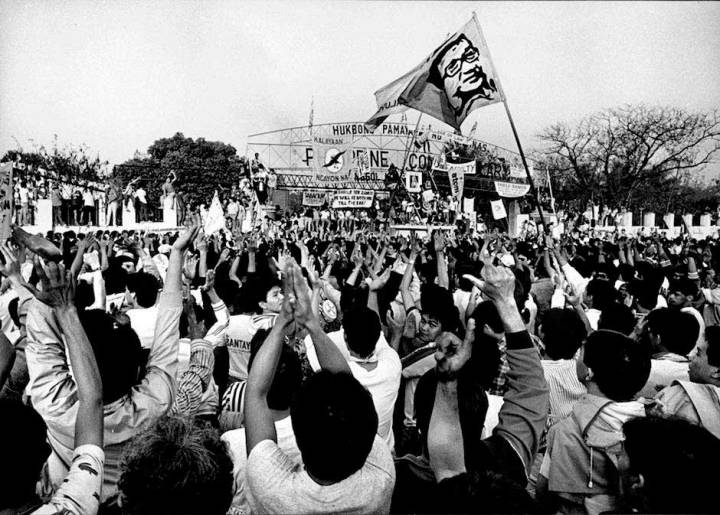
- EDSA (People Power Revolution). The People Power Revolution lasted from 1983 to 1986. During a radio broadcast of Radyo Veritas, Cardinal Sins encouraged the Filipinos to help end the regime of then President Ferdinand Marcos. A major protest took place along EDSA from February 22 to 25, 1986 involving two million Filipinos from different sectors. These included civilians, political parties, the military, and religious groups. The radio broadcast helped change the course of history. Without it, Filipinos would not have been moved into action.
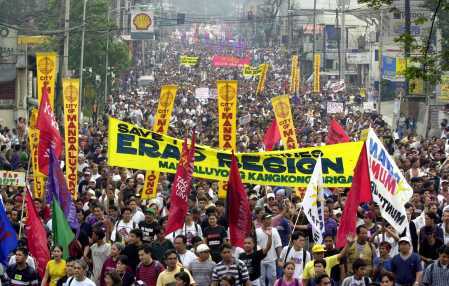
- EDSA Dos. This is also known as the 2001 EDSA Revolution, happened during January 17 to 21, 2001. It was fueled after 11 prosecutors of them President Joseph Estrada walked out of the impeachment trial. As a result, the crowd in EDSA grew over the course of a few days through text brigades. Like the first People Power Revolution, Edsa Dos would not have been successful without the text brigades.
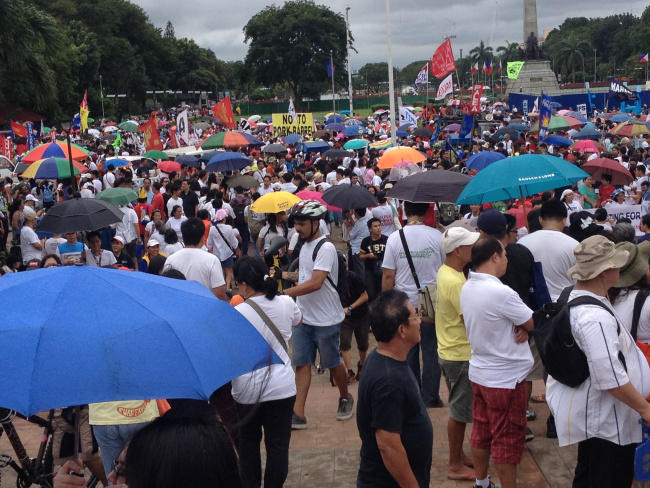
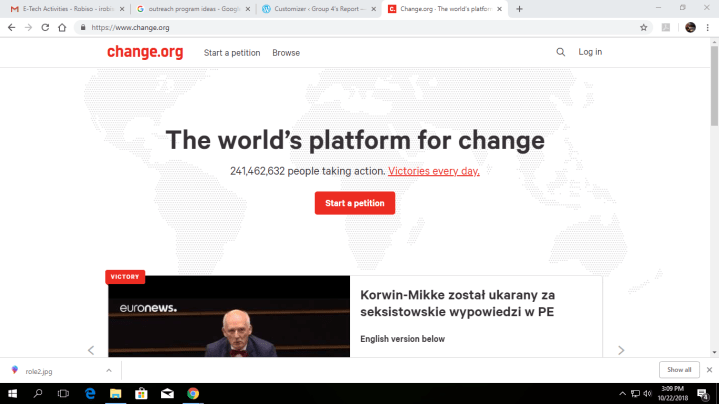
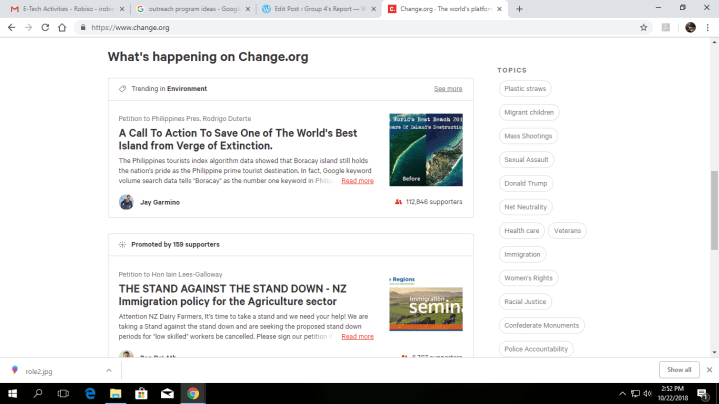
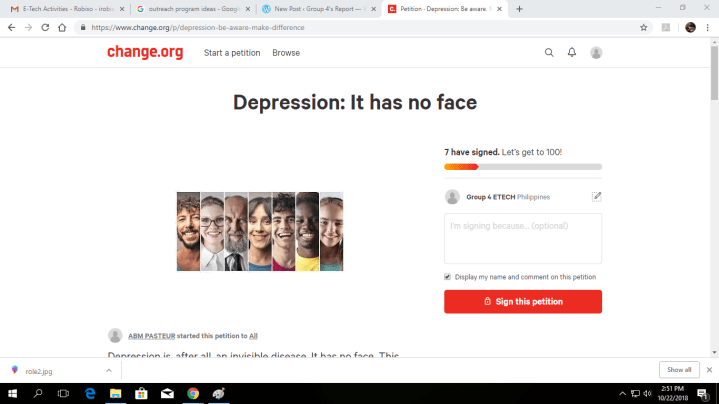
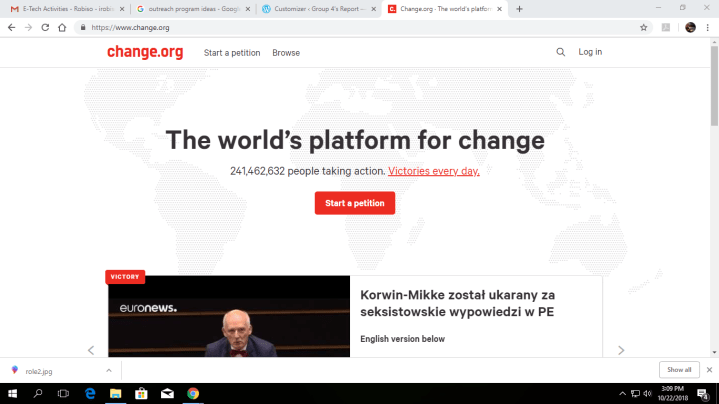
- Million People March. This is a series of protests that mainly took place in Luneta Park from August 22 to 26, 2013. There were also several demonstrations that happened around key cities in the Philippines and some locations overseas. It was to condemn the misuse of the Priority Development Assistance Fund (PDAF). Though dubbed as the Million People March, the number of total attendees was only around 400,000. Despite that, it was still considered a success and clearly demonstrated how powerful social media campaigns are. The organizers and promoters of the Million People March used Facebook and Change.org as their mediums.
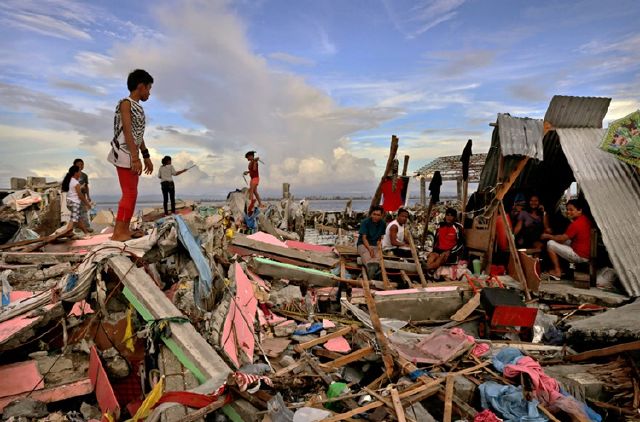
- Yolanda People Finder. Recent storms in Philippine history gave birth to the people finder database powered by Google. During typhoon Yolanda, the people Finder was a vital tool for people across the globe to track the situation of their relatives. This proved to be successful and is now adapted by more organizations to help people track relatives during calamities.
 Group 4's Report